Water Towers
During the industrial age, water towers were erected near factories and alongside railroad tracks. As well, towns and cities began to erect large towers for storing water. Water towers are still constructed today, but their design has changed remarkably.
During the 19th century, towns and cities often erected masonry towers. Many of these were quite decorative, such as the tower in the image on the left, while many were merely functional, like the tower on the right.
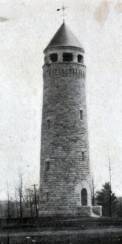
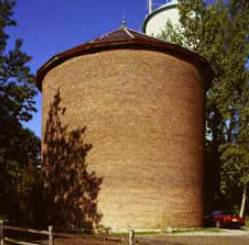
Masonry Water Towers: Image courtesy of the University of Vermont Landscape Change Program and Nancy Hayes. Image courtesy of the University of Vermont.
Very utilitarian water towers were constructed during the 19th century near factories and railroads. This type of tower seems to have persisted into the first part of the 20th century and were also erected to store water for towns and cities.
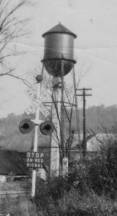
Utilitarian Water Tower Design: Image courtesy of the University of Vermont Landscape Change Program and the Hartford Historical Society
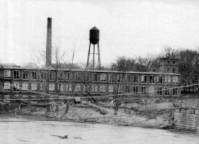
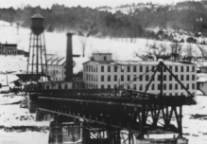
Factory Water Towers: Image courtesy of the University of Vermont Landscape Change Program and the Fletcher Free Library. Image courtesy of the University of Vermont Landscape Change Program and the Vermont State Archives.
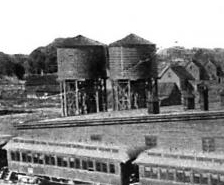
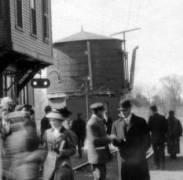
Railroad Water Towers: Image courtesy of the University of Vermont Landscape Change Program and the University of Vermont Special Collections. Image courtesy of the University of Vermont Landscape Change Program and the Vermont State Archives.
By the mid-20th century, large-scale water towers, as seen in the image below, were erected in towns and cities. This style was very common during the latter part of the 20th century.
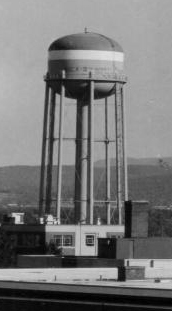
Mid-20th Century Water Tower: Image courtesy of the University of Vermont Landscape Change Program and the University of Vermont Archives
The water tank seen in the image below is typical of the tanks constructed today.
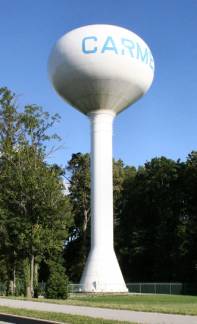
Modern Water Tower: Image courtesy of Wikipedia, http://www.wikipedia.com


