Engines
The hallmark of the railroad, the engines chugged along pulling freight or passenger cars and navigating the train through snow and rain and across narrow bridges. Great pride was taken in the engines; they were painted, given names, and photographed with their crew. As technology advanced, so did the design of the engine. Unlike automobiles, new designs of railroad engines generally reflected practical technological advances, not fashionable trends. Engines became faster, safer, and more efficient, and these improvements are reflected in such characteristics as the size of the engine, the arrangement and size of the wheels, the size of the smokestack, and the mechanism that powers the drivers (the large, rear wheels).
Click on the thumbnail below that closely resembles the engine in your historic image.
| Wood Burning Engines (1840s-1870s) | Steam Engines (1880s-1890s) | Steam Engines (1900s-1910s) |
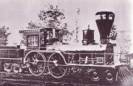 |
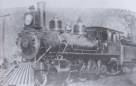 |
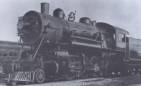 |
| Steam Engines (1920s-1930s) | Diesel Engines (1940s-1950s) | Diesel Engines (1960s) |
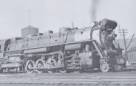 |
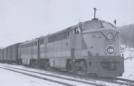 |
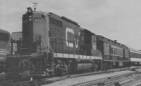 |


